Nerve Alive™ Ingredients: What's Inside?
Nerve Alive combines vitamins, antioxidants, and botanical extracts into one nerve support formula. Each capsule is designed to deliver nutritional support for nerve comfort, function, and daily relief.
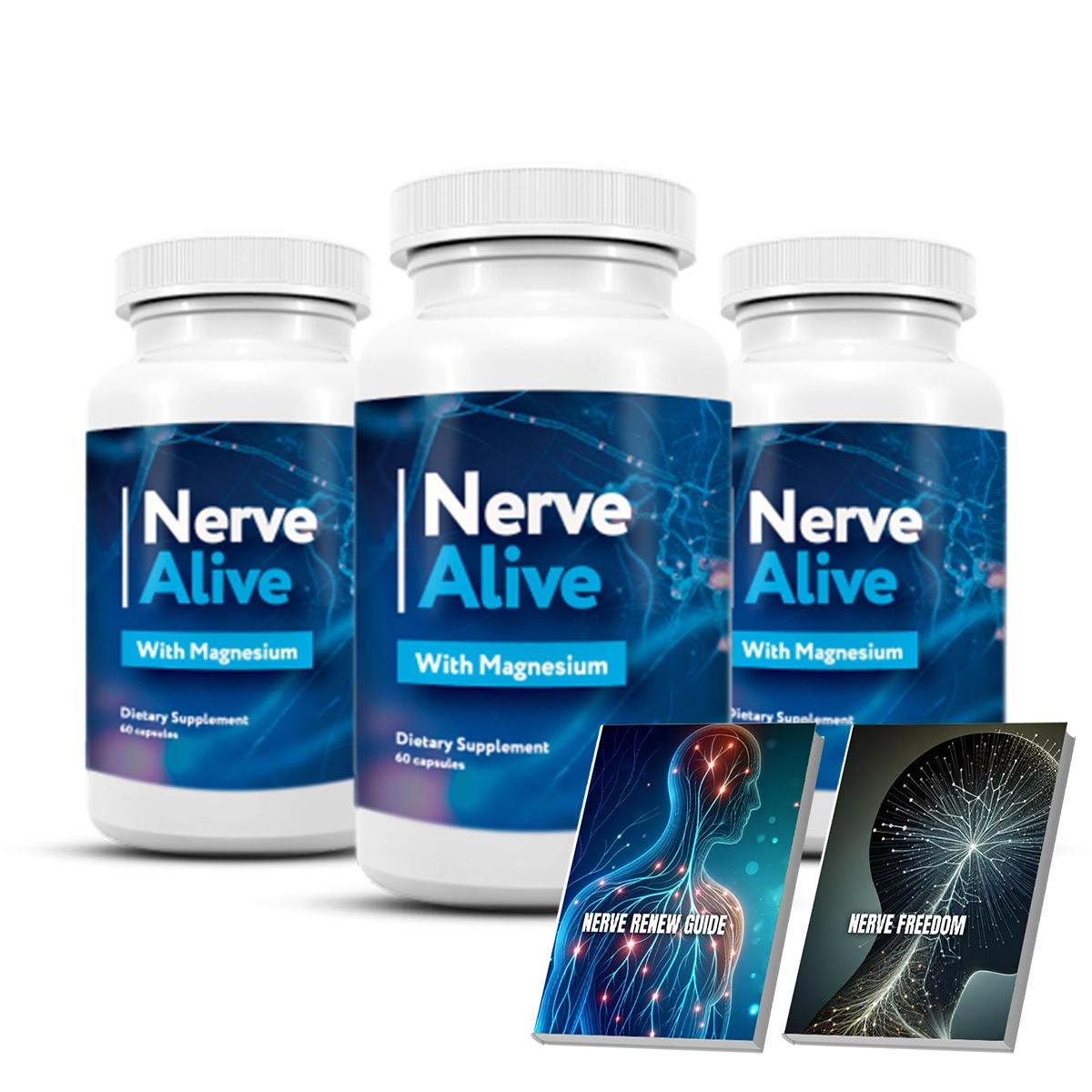
What's Nerve Alive™?
Nerve Alive gives adults targeted nerve support. The formula mixes B vitamins, antioxidants, minerals, and plant extracts into one easy-to-take capsule.
The maker describes it as natural, non-GMO, and stimulant-free. It's made in the USA in an FDA-registered, GMP-certified facility.
How Does Nerve Alive™ Work?
It works through multiple pathways. B vitamins support nerve signaling and myelin health. Antioxidants fight oxidative stress. Circulation supporters help deliver nutrients to hands and feet. Calming botanicals help the nervous system relax.
This multi-angle approach is what separates it from generic multivitamins or single-ingredient supplements.
Who Should Consider Nerve Alive™?
It's built for adults dealing with:
• Tingling, burning, numbness, or pins-and-needles sensations.
• Diabetic nerve discomfort or age-related nerve concerns.
• Circulation-related nerve symptoms in the hands, feet, or legs.
• Adults who prefer stimulant-free, non-GMO supplements made in the USA.
• Anyone looking for a convenient capsule alternative to messy creams or complex supplement stacks.
How Does Nerve Alive™ Compare?
Here's how it stacks up against common nerve-support options.
| Feature | Nerve Alive™ | Generic Multivitamins | Topical Creams | Prescription Options |
|---|---|---|---|---|
| Primary focus | Nerve comfort, function, daily relief | General wellness | Localized, temporary relief | Medical symptom management |
| Key ingredients | B vitamins, ALA, ALCAR, magnesium, botanicals | Broad, low-dose nutrients | Capsaicin, menthol, lidocaine | Pharmaceutical compounds |
| How it works | Multi-pathway internal support | General nutrient repletion | Surface-level sensation change | Physician-directed mechanism |
| Convenience | Two capsules daily | One tablet daily | Applied multiple times per day | As prescribed by a doctor |
| Money-back guarantee | 60-Day Money-Back Guarantee | Varies by retailer | Varies by retailer | Not applicable |
This comparison is for informational purposes only. Prescription options should be discussed with a healthcare provider.
View Current Nerve Alive Pricing
View Nerve Alive Formula & Pricing →What's Actually In Nerve Alive™?
Every Nerve Alive™ capsule has a proprietary blend of nine active ingredients. These compounds were selected for their roles in nerve signaling, antioxidant defense, circulation, and relaxation.
Nerve Alive™ Ingredient Breakdown
Benfotiamine
Benfotiamine is a fat-soluble form of vitamin B1. It helps nerve metabolism and myelin health. Research published in Experimental and Clinical Endocrinology & Diabetes examined its benefits in diabetic polyneuropathy. This is the B-vitamin form most closely associated with nerve support.
Methylcobalamin
Methylcobalamin is the active form of vitamin B12. It helps nerve regeneration and signal transmission. A multicenter trial in the Journal of Diabetes Investigation studied it alongside Acetyl-L-Carnitine for diabetic peripheral neuropathy. It needs no conversion, so the body can use it directly.
Alpha-Lipoic Acid
Alpha-Lipoic Acid is a powerful antioxidant studied for reducing oxidative stress and supporting circulation. The ALADIN III and SYDNEY 2 trials, published in Diabetes Care, reported symptom improvements in adults with diabetic polyneuropathy. It's one of the most researched nerve-support compounds available.
Acetyl-L-Carnitine
Acetyl-L-Carnitine helps mitochondrial energy production and nerve conduction. A pooled analysis of two trials in Diabetes Care found ALCAR improved pain and nerve regeneration in chronic diabetic neuropathy. Nerve cells need energy to signal properly. That's why this ingredient is in Nerve Alive™.
Magnesium Glycinate
Magnesium Glycinate is a highly absorbable form of magnesium. It helps nerve transmission, muscle relaxation, and sleep quality. Research in Magnesium Research suggested magnesium repletion may influence neuropathy progression in magnesium-depleted patients. It's also gentle on the stomach.
Turmeric (Curcumin)
Turmeric has curcumin, traditionally used to support a healthy inflammatory response. A randomized double-blind trial in Nutrition Journal examined nanocurcumin and neuropathic outcomes in type 2 diabetes. It's a traditional spice with modern clinical interest.
Capsaicin
Capsaicin comes from chili peppers. It may modulate TRPV1 pain receptors and support circulation. A dose-finding study in The Journal of Pain examined high-concentration capsaicin for postherpetic neuralgia. It's the compound that gives chili peppers their heat.
Passionflower
Passionflower is traditionally used for calming, sleep support, and nervous system modulation. It's the calming botanical in the Nerve Alive™ formula.
Feverfew
Feverfew is a botanical traditionally used for anti-inflammatory and pain-support properties. It's a traditional herb with a long history of use.
How Do the Nerve Alive™ Ingredients Work Together?
The Nerve Alive™ formula is built around complementary roles. B vitamins handle signaling. Antioxidants protect against oxidative stress. Circulation supporters improve nutrient delivery. Calming botanicals help the nervous system relax.
That multi-pathway design makes Nerve Alive™ a more comprehensive option than many single-ingredient supplements.
Why Bioavailability Matters for Nerve Alive™
Bioavailability is how well the body absorbs and uses a nutrient. Nerve Alive™ uses forms known for better absorption.
Benfotiamine is fat-soluble, so it may reach nerve tissue better than regular thiamine. Methylcobalamin is active B12, so no conversion is needed. Magnesium glycinate is chelated and gentle on the stomach. Acetyl-L-Carnitine can cross cell membranes to help energy inside nerve cells.
Nerve Alive™ Ingredient Summary
Quick reference for what each Nerve Alive™ ingredient does.
| Ingredient | Primary Role |
|---|---|
| Benfotiamine | Nerve metabolism and myelin support |
| Methylcobalamin | Nerve regeneration and signal transmission |
| Alpha-Lipoic Acid | Antioxidant protection and circulation |
| Acetyl-L-Carnitine | Mitochondrial energy and nerve conduction |
| Magnesium Glycinate | Nerve transmission, muscle relaxation, sleep |
| Turmeric (Curcumin) | Healthy inflammatory response |
| Capsaicin | TRPV1 modulation and circulation |
| Passionflower | Calming and sleep support |
| Feverfew | Anti-inflammatory and pain support |
Claim Your Nerve Alive™ Discount
View Nerve Alive Formula & Pricing →The Clinical Context
These studies are on the individual Nerve Alive™ ingredients, not product-specific trials run by the maker.
This research gives context for the Nerve Alive™ formula. It doesn't prove that Nerve Alive™ itself will produce the same results.
Are the Nerve Alive™ Ingredients Safe?
The maker describes Nerve Alive™ as natural, non-GMO, and stimulant-free. The ingredients are common in supplements and have research behind them.
If you have a medical condition, take prescriptions, are pregnant or nursing, or are under 18, talk to a healthcare provider before use.
Can You Get These Nutrients From Food?
Some of these nutrients are found in food. But hitting therapeutic intakes through diet alone is difficult. That's why compounds like benfotiamine, methylcobalamin, alpha-lipoic acid, and acetyl-L-carnitine are commonly supplemented.
How Are the Nerve Alive™ Ingredients Sourced?
Nerve Alive™ comes from a USA-based, FDA-registered, GMP-certified facility. That means documented handling, testing, and packaging standards.
Ingredient FAQ
What's the most important Nerve Alive™ ingredient?
There's no single "most important" ingredient. The combination of B vitamins, antioxidants, circulation supporters, and calming botanicals is what defines Nerve Alive™.
Does Nerve Alive™ have allergens?
The maker describes Nerve Alive™ as natural and non-GMO. If you have allergies, check the official label or contact support through the checkout.
Are Nerve Alive™ dosages disclosed?
No. It's a proprietary blend, so exact individual dosages aren't public.
Are the Nerve Alive™ ingredients vegan?
The maker describes the Nerve Alive™ formula as plant-based, but capsule composition should be confirmed on the official label.
Can Nerve Alive™ be taken with other supplements?
Usually yes. But if you take prescriptions or high-dose vitamins, check with a healthcare provider to avoid interactions.
How should Nerve Alive™ be stored?
Store Nerve Alive™ in a cool, dry place away from sunlight and moisture. Keep the bottle closed and out of reach of children.
Does Nerve Alive™ have artificial fillers?
The maker says Nerve Alive™ is natural, non-GMO, and free of artificial fillers, preservatives, and dyes.
How long do the Nerve Alive™ ingredients take to work?
Effects vary. Some notice subtle changes within weeks. Stronger benefits often show up after 8 to 12 weeks of daily Nerve Alive™ use.
Why These Ingredients Are Combined
Nerve health supplements often use a multi-ingredient approach because nerve discomfort can involve several overlapping factors. Oxidative stress, poor circulation, inflammation, and nutrient deficiencies may all contribute to tingling, burning, or numbness. A single compound rarely addresses all of these mechanisms at once.
The Nerve Alive formula combines B vitamins that support nerve metabolism with antioxidants like alpha-lipoic acid that help neutralize free radicals. Acetyl-L-carnitine is included for its role in cellular energy production, while magnesium glycinate may support muscle and nerve relaxation. Botanicals such as turmeric, capsaicin, passionflower, and feverfew round out the blend with traditional uses related to comfort and calm.
This combination reflects a common strategy in nerve support supplements: target multiple pathways rather than relying on one active ingredient. Because individual responses vary, users should monitor their own experience, track any changes in comfort or mobility, and consult a healthcare provider if symptoms persist or worsen.
Ingredient Quality and Manufacturing Standards
Nerve Alive™ is manufactured in the United States in a facility that follows FDA registration and GMP certification guidelines. These standards require documented handling, testing, and packaging procedures.
The maker describes the formula as natural, non-GMO, and free of artificial fillers, preservatives, and dyes. Each batch is intended to meet consistent quality specifications, though third-party testing details are not publicly disclosed.
Because ingredient sourcing and testing practices can change, the latest manufacturing and quality claims should be confirmed on the official Nerve Alive website before placing an order. The ingredient list on this page reflects publicly available information and may be updated by the manufacturer at any time. You can find the most current details by visiting the official product page directly.
Understanding Proprietary Blends in Supplements
Nerve Alive™ uses a proprietary blend, which means the exact amount of each ingredient is not disclosed on the supplement facts panel. This is common in the dietary supplement industry because it allows manufacturers to protect their formula from competitors.
The trade-off is that consumers cannot see individual dosages. Without this information, it is difficult to compare the product directly to clinical studies that used specific amounts. If you want precise dosing, you may prefer single-ingredient supplements or products with fully transparent labels.
That said, proprietary blends are not inherently problematic. They simply require consumers to trust the manufacturer's formulation decisions. Reading reviews, checking the guarantee terms, and consulting a healthcare provider can help you decide if a blended formula fits your needs.
Are There Any Ingredients to Watch Out For?
Most of the Nerve Alive™ ingredients are well-tolerated by adults when used as directed. However, some people may be sensitive to certain botanicals or compounds. Capsaicin, for example, comes from chili peppers and may cause warmth or tingling in sensitive individuals.
If you have allergies to plants in the passionflower, feverfew, or turmeric families, review the full label carefully. Those with bleeding disorders, low blood pressure, or upcoming surgery should also consult a healthcare provider before use.
As with any supplement, starting with the suggested dose and monitoring your response is the safest approach. Discontinue use and seek medical advice if you experience any unexpected reaction. Always review the latest label before ordering, as formulations can change over time. Checking the official site ensures you have the most accurate information.
Scientific References
- Ziegler D, Hanefeld M, Ruhnau KJ, et al. Treatment of symptomatic diabetic polyneuropathy with the antioxidant alpha-lipoic acid (ALADIN III Study). Diabetes Care. 1999;22(8):1296-1301.
- Ziegler D, Ametov A, Barinov A, et al. Oral treatment with α-lipoic acid helps improve symptomatic diabetic polyneuropathy: the SYDNEY 2 trial. Diabetes Care. 2006;29(11):2365-2370.
- Stracke H, et al. Benfotiamine in diabetic polyneuropathy (BENDIP). Exp Clin Endocrinol Diabetes. 2008;116(10):600-605.
- Sima AA, et al. Acetyl-L-carnitine helps improve pain, nerve regeneration, and vibratory perception in chronic diabetic neuropathy. Diabetes Care. 2005;28(1):89-94.
- Li S, et al. Effects of acetyl-L-carnitine and methylcobalamin for diabetic peripheral neuropathy. J Diabetes Investig. 2016;7(5):777-785.
- Webster LR, Malan TP, Tuchman MM, et al. A multicenter, randomized, double-blind, controlled dose finding study of NGX-4010, a high-concentration capsaicin patch, for the treatment of postherpetic neuralgia. J Pain. 2010;11(10):972-982. doi:10.1016/j.jpain.2010.01.005
- Mansour A, et al. The effect of nanocurcumin supplementation on neuropathic outcomes in patients with type 2 diabetes mellitus. Nutr J. 2025;24:1184.
- de Leeuw I, et al. Long term magnesium supplementation influences favourably the natural evolution of neuropathy in Mg-depleted type 1 diabetic patients. Magnes Res. 2004;17(2):109-114.